

Academic Support and Opportunities

Are you a new or current student?
Contact the TASC for assistance by phone, email, or link below to get help setting up your username and password for the first time, logging in to mySCF, or preparing for the PERT admission test.
Go to MySCF (login required)PERT Admission Testing
Contact the TASC for assistance by phone or email to get help and prepare for the PERT admission test.
Tutoring and Academic Success Center
In-Person Tutoring? Online Tutoring?
We have it all.
The Tutoring and Academic Success Center empowers all State College of Florida, Manatee-Sarasota students to achieve their personal potential for learning and academic success. The core mission of the Tutoring and Academic Success Center is to help students become independent and active learners, thereby achieving academic improvement consistent with their values, interests, and abilities. The Tutoring and Academic Success Center serves as a means to help under-prepared students to prepare, prepared students to advance, and advanced students to excel.
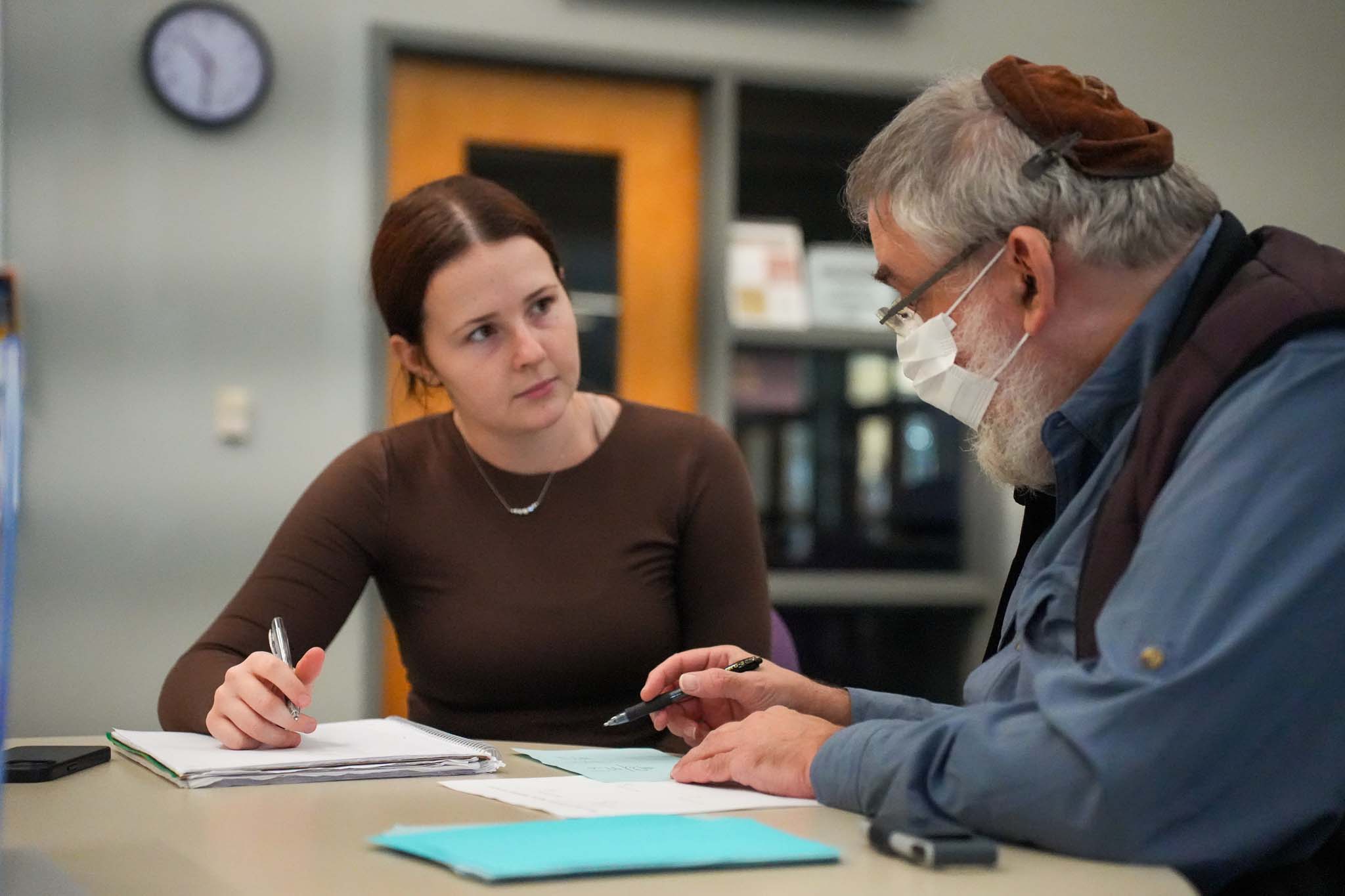
The Tutoring and Academic Success Center does this by providing high-quality instructional support that is appropriate to an academically diverse population. This includes One-on-One Tutoring for Math and Science; Writing Conferences and Content-specific Workshops and Test Reviews. The Tutoring and Academic Success Center also offers a comfortable study atmosphere where students can work on their own, meet with their classmates or professors, and utilize the lab computers, study rooms, and other resources — all with the support of on demand tutoring.
The TASC provides assistance in the following areas:
- Math Tutoring and Workshops
- Science Tutoring and Workshops
- Writing Tutoring and Lab Sessions
- Exam prep tutoring for the PERT test, Florida Civic Literacy Exam, and test of essential academic skills (TEAS) exam, and others
- Help with navigating Canvas and course materials
- Email Submission and Feedback for Essays
- Help with writing research or citations
TASC Department Hours
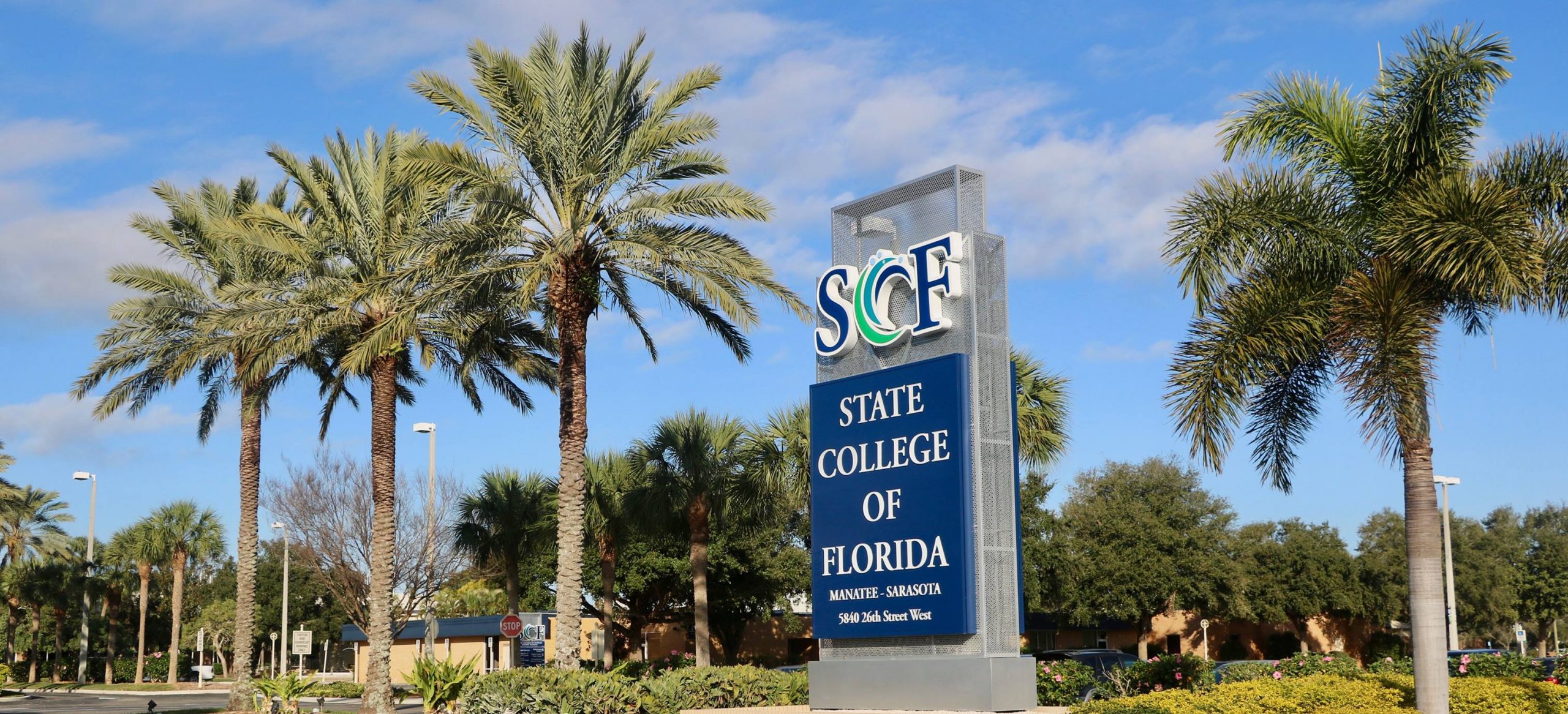
Bradenton Campus
Tutoring Center Hours (Summer 2026):
Sunday: 2 – 8 p.m.
Monday – Thursday: 9 a.m. – 6 p.m.
Friday: 9 a.m. – 3 p.m.*
Address: 5840 26th St. West Building 5
Room 111
Bradenton, FL 34207
Phone: 941-752-5504
Email: Tutoring@SCF.edu
Venice Campus
Tutoring Center Hours (Summer 2026):
Sunday: Closed
Monday – Thursday 9 a.m. – 4:30 p.m.
Friday 9 a.m. – 3 p.m.*
Address: 8000 S. Tamiami Trail Building 400
Room 421
Venice, FL 34293
Phone: 941-408-1452
Email: Tutoring@SCF.edu
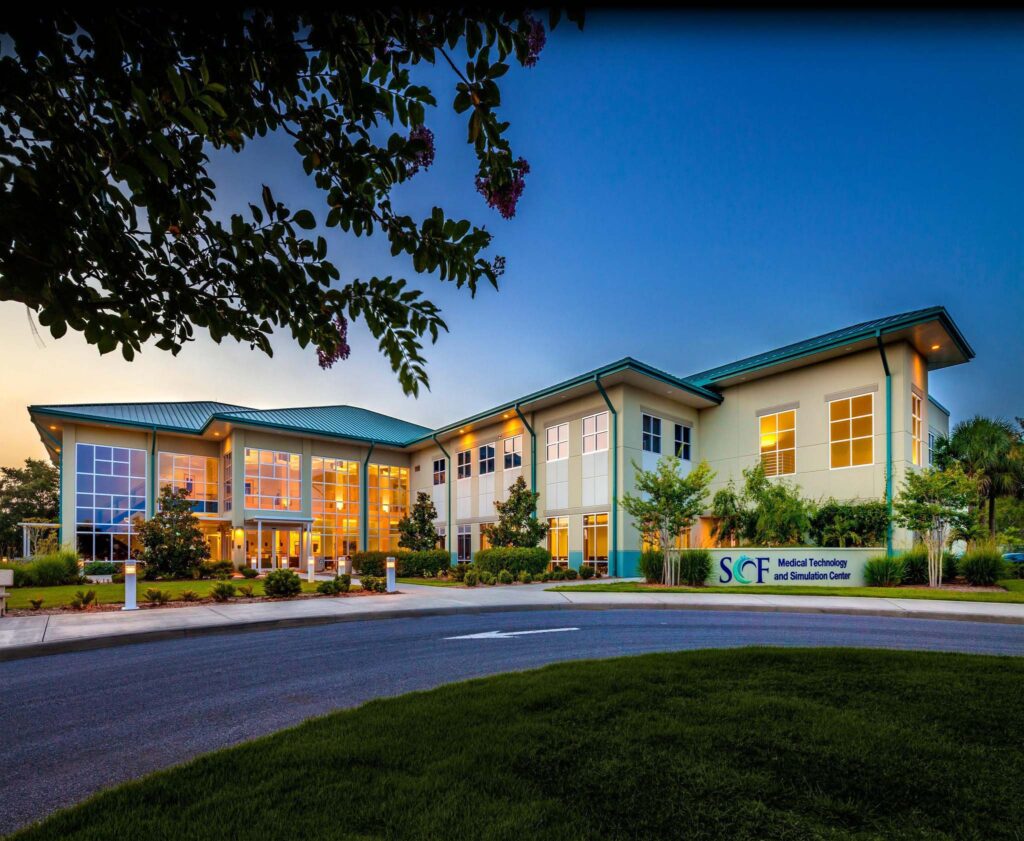
Lakewood Ranch Campus
Tutoring Center Hours (Summer 2026):
Closed
Address: 7131 Professional Pkwy. E.,
Learning Commons MTSC Building
Room 120
Sarasota, FL 34240
Email: Tutoring@SCF.edu

Online Tutoring
Online Tutoring also available (Summer 2026):
Sunday – Thursday: 2 p.m. – 9 p.m. through May 31st
Sunday: 5 p.m. – 9 p.m.
Monday – Thursday: 3 p.m. – 9 p.m. in June & July
*TASC at all campus locations will be closed on Fridays in June & July 2026.
Face-to-Face Drop-In Tutoring
Writing, Math, Accounting, and Science tutors are available online and on-campus to help with your assignments. Face-to-face tutoring is available at the Bradenton and Venice campuses by drop-in or by appointment for Math and Science areas. Tutoring for Writing across a wide range of subjects is available by appointment.
Online Tutoring
Online Tutoring is also available by appointment or drop in as well in Writing, Math, Accounting, and Science. In addition to 1:1 tutoring assistance online for these subject areas, you can also submit an essay by email for feedback from a tutor. To access the online tutoring or reservation system or submit an essay by email, log in to MySCF or call us.
Workshops & Peer Study Groups
Do you need some extra help in your math classes each week? Or just need to ask a question or two about the practice questions or material? Come and join us for workshops and study sessions in the following areas this semester.
- Math Workshops
- Science Workshops
- Reading/Writing Labs
- Study Skills
- Exam Preparation (PERT, FCLE, TEAS, and others)
Self-Paced Exam Review Courses
We also offer self-paced exam review courses for students in addition to workshops and individual tutoring. These self-paced exam review courses are available for current students in preparation for the Florida Civic Literacy Exam (FCLE) and Test of Essential Academic Skills (TEAS).